
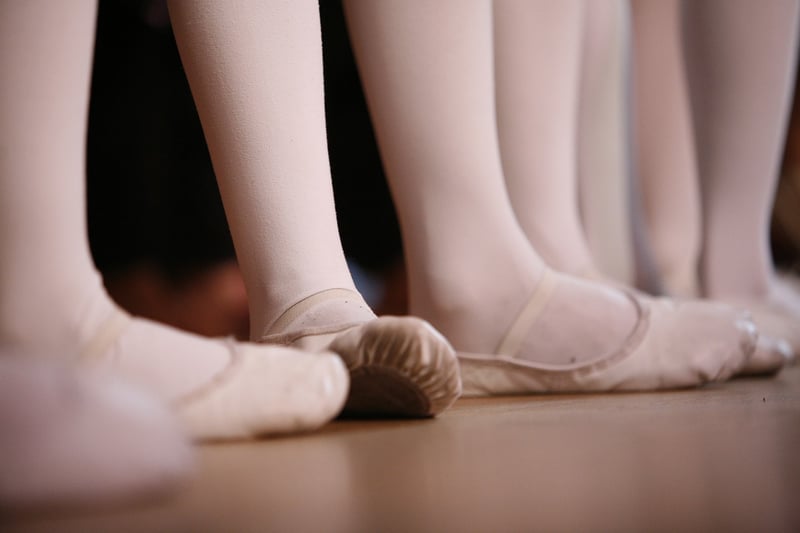
The Art of Expressive Movement in Ballet
Ballet is a dance form that has captivated audiences for centuries with its grace, beauty, and precision. One of the key elements that sets ballet apart is its ability to convey emotion and tell stories through expressive movement. Dancers use their bodies to communicate a range of feelings, from joy and love to sadness and despair, creating a powerful connection with the audience.
Expressive Movement Techniques in Ballet
Expressive movement in ballet is achieved through a combination of techniques that dancers master through years of training and practice. These techniques include:
- Port de Bras: The carriage of the arms, which can convey different emotions depending on their position and movement.
- Facial Expressions: Dancers use their faces to express a wide range of emotions, enhancing the storytelling aspect of their performance.
- Body Alignment: The alignment of the body plays a crucial role in conveying emotion and character, with every movement contributing to the overall narrative.
- Use of Space: Ballet dancers utilize the space around them to create dynamic and expressive movements that draw the audience into the performance.
The Power of Storytelling Through Ballet
One of the most remarkable aspects of ballet is its ability to tell stories without using words. Through expressive movement, dancers can portray complex narratives and evoke powerful emotions in the audience. Whether it's the tragic love story of "Romeo and Juliet" or the magical world of "The Nutcracker," ballet allows dancers to transport viewers to different worlds and immerse them in captivating tales.
Expressive Movement in Contemporary Ballet
While traditional ballet has long been associated with classical stories and themes, contemporary ballet pushes the boundaries of expression and storytelling. Choreographers and dancers explore new movement vocabulary and styles, blending classical techniques with modern influences to create innovative and emotionally charged performances.
Through expressive movement, contemporary ballet challenges audiences to see the art form in a fresh light and experience the power of dance in a new and exciting way.
Conclusion
Expressive movement is at the heart of ballet, allowing dancers to communicate emotions, tell stories, and connect with audiences on a profound level. Whether through classical repertoire or contemporary works, ballet continues to captivate and inspire with its ability to evoke the full range of human experience through the art of movement.

Experience the beauty and power of expressive movement in ballet, where every gesture and step conveys a story waiting to be told.